If you’ve ever booted up No Man’s Sky and stared out at the endless starfield from your starting planet’s surface, you’ve probably wondered just how big the game’s universe really is. Casual players and diehard explorers alike regularly ask how many planets have been discovered in No Man's Sky, and the answer is a lot more surprising than you might think. Unlike most open world games with fixed, hand-built maps, NMS uses procedural generation to create nearly endless unique worlds, so the total count of discovered planets shifts every single minute as players explore. We’ll break down the latest numbers, how discoveries are tracked, why the total will never hit the game’s theoretical maximum, and how you can log your own finds for the entire community to see.
How Many Planets Have Been Discovered In No Man’s Sky As Of Today?
As of the latest community counts shared by Hello Games, over 320 million unique planets have been officially discovered and logged by players across all platforms. That’s less than 0.0000000001% of the game’s total possible 18 quintillion procedural planets, if you can even wrap your head around that tiny fraction. The number jumps by thousands every hour, especially in the weeks right after a big content update, when thousands of lapsed players jump back in to explore new biomes and galaxy regions added in the patch.
Counts vary slightly between platform-specific leaderboards and the global cross-platform count, but the 320 million mark is the most widely accepted global number right now. It’s worth noting that this only counts planets that players have intentionally uploaded to the game’s central servers, so there are likely millions more worlds that players have visited but never logged officially.
How No Man’s Sky Tracks Discovered Planets
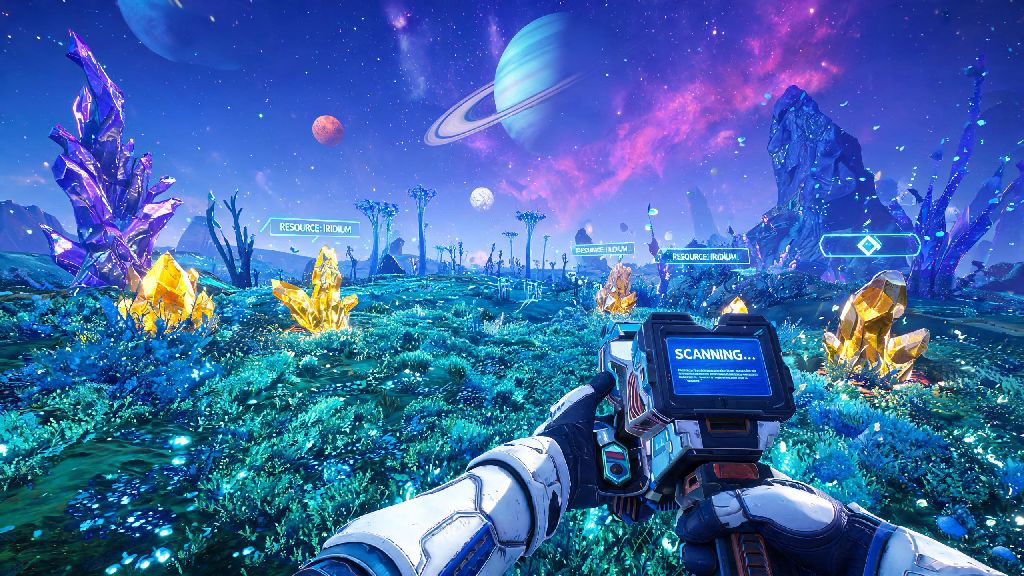
You don’t have to do anything fancy to log a planet as discovered. All you need to do is land on its surface, open your discovery menu, and hit upload to share your find with the entire community. If you don’t upload the discovery, it won’t count toward the global total, even if you spend hours exploring the world, gathering resources, and building bases on its surface.
Every discovery is tied to your account, so you’ll get permanent credit for it, even if another player stumbles on the same planet later. You can even rename planets, flora, and fauna before you upload, so your personal mark stays on the world for every future visitor to see. The game’s development team regularly shares updates on the total discovery count, and they’ve even highlighted particularly weird or beautiful discovered planets on their official social media channels in the past.
Many players like to track their personal discovery counts and compare them to friends outside of the game, using third-party community tools and companion apps that sync with their NMS account data. Casual players who also play other indie and AAA titles on their mobile devices often use YonoAppStore to find these companion apps, along with other space-themed mobile games to play when they’re away from their console or PC.
Common Misconceptions About NMS Planet Counts
There are a lot of wrong ideas floating around about how many planets are actually accessible and discovered in NMS, so we’re breaking down the most common myths to clear up confusion:
A lot of new players also assume that the total count of discovered planets will eventually hit 100% of the game’s possible worlds, but that’s literally impossible. Even if every single person on Earth played NMS 24 hours a day and discovered one planet every minute, it would take longer than the age of the universe to find every possible procedural world. That’s part of the fun of the game, though – there’s always a completely new, untouched world waiting for you just a few warp jumps away.
How To Add Your Own Planet Discoveries To The Global Count
If you want to contribute to the total number of discovered planets in No Man’s Sky, it’s super easy to do, even if you’re a brand new player who’s only just completed the opening tutorial. First, make sure you’re connected to the internet while you play, so your discoveries can sync to the game’s servers when you upload them. If you play offline, you can still save discoveries locally and upload them later when you reconnect to the internet.
When you land on a new planet, open your scanner first to document any local flora, fauna, and resources, as that will give you extra units and nanites when you upload the full discovery set. You don’t have to name every plant and animal to count the planet as discovered, but it’s a fun way to leave your mark on the world for other players to find later. Once you’re ready to upload, open your discoveries tab, select the planet, and hit the upload button. You’ll get a small reward for your upload, and the planet will be added to the global count immediately.
If you’re looking for rare planets to discover that no other player has found before, try warping to uncharted star systems that don’t have any space stations, as those are far less likely to have been visited by other players. You can also use exotic navigation charts to track down rare biomes like lush paradise worlds, frozen ice planets, or volcanic hellscapes that other explorers might have skipped over in favor of easier, resource-rich worlds.
The total number of discovered planets in No Man's Sky grows every single day, as thousands of players jump into the universe to explore, build, and share their finds with the community. Whether you’re a casual player who only logs a few hours a month or a diehard explorer chasing the rare S-class paradise world, every discovery you upload adds to the game’s ever-expanding map of known worlds. You don’t have to rush to discover as many planets as possible, either – half the fun of NMS is taking your time to explore each world, find hidden secrets, and build a base in a spot that feels special to you. Next time you boot up the game, take a minute to upload any unlogged discoveries you have, and you’ll be part of one of the largest shared exploration projects in gaming history.