If you’ve scrolled past No Man's Sky on game store pages or seen clips of players zipping across neon-colored planets, you’ve probably wondered what is the point of No Man's Sky. After its rocky 2016 launch, the game has evolved into one of the most ambitious open-world experiences on the market, with dozens of free updates adding layers of content most paid DLC can’t match. I’ve sunk over 400 hours into the game across PC and console, and I still find new surprises every time I boot it up, from bioluminescent underwater cave systems to friendly alien traders offering rare starship blueprints. This guide breaks down the core appeals of the game, so you can decide if it’s the right fit for your playstyle.
Endless Procedural Exploration That Feels Truly Unique
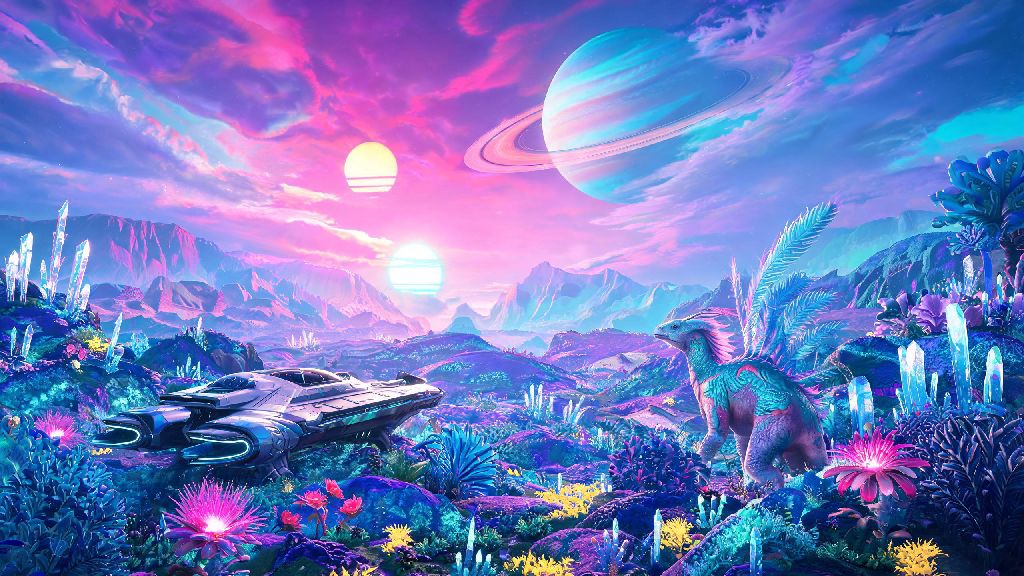
The game’s biggest draw is its procedural galaxy, with over 18 quintillion unique planets generated from code the day the game launched. Every planet has its own mix of terrain, weather, flora, fauna, and even alien ruins, so you’re almost guaranteed to see something no other player has seen before. No two players will ever find the exact same planet unless they share coordinates, which makes every new landing feel like a genuine discovery. It’s easy to write the game off as just a space walking simulator, but that’s a huge misunderstanding of what is the point of No Man's Sky for most long-time players. If you’re the type of player who loves wandering without a clear goal, that’s exactly what is the point of No Man's Sky for you. I once spent three hours hiking across a frozen acid rain planet just to get a closer look at a floating mountain range, and I left with enough rare crystal resources to upgrade my exosuit twice, no quest required.
What is the Point of No Man's Sky For Casual and Hardcore Players Alike?
Unlike most open-world games that force you to follow a strict quest line or grind for specific upgrades, No Man's Sky is designed to adapt to your playstyle. You can log in for 20 minutes to gather a few resources and decorate your base, or spend eight hours grinding for an S-tier freighter and fighting pirate fleets across the galaxy. There’s no wrong answer to what is the point of No Man's Sky, because it’s designed to adapt to whatever you feel like doing that day. You can even switch between play modes on the same save file, so you don’t have to restart if you get bored of your current loop. The core play options include:
Deep Lore and Flexible Story Paths You Control
If you do want a more structured experience, the game has a surprisingly deep main story that explores the nature of the galaxy, the mysterious Atlas entity, and the history of the Traveler race. You can follow the main quest line at your own pace, or ignore it entirely if you’d rather just explore. You get to choose how the main story ends, with multiple outcomes that change how you interact with the galaxy long after you finish the core questline. The lack of forced questing is a core part of what is the point of No Man's Sky, since you never feel pressured to rush through content you don’t care about. There are also hundreds of side quests, from helping alien factions resolve conflicts to solving ancient ruin puzzles and building intergalactic trade routes. Each alien race has its own language you can learn word by word by finding hidden data tablets, which makes interacting with NPCs feel way more personal as you progress. I still remember the first time I fully understood a Vy’keen warrior’s story about defending his home planet without needing a translation pop-up, it made the whole interaction feel way more meaningful than the generic NPC dialogue you get in most open world games.
Multiplayer and Community Features That Make Exploration Better
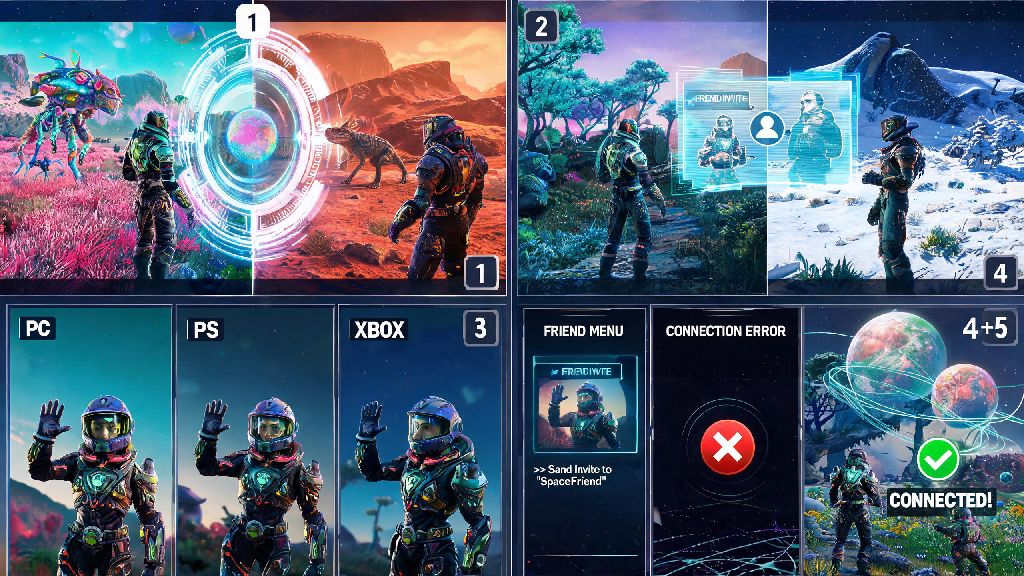
A lot of new players assume the game is only single-player, but co-op is a huge part of what is the point of No Man's Sky for groups of friends. You can join up to 32 players in a single session, build bases together, fight pirate fleets as a team, or explore weird, dangerous planets as a group. Crossplay works across PC, PlayStation, Xbox, and Switch, so you can play with friends no matter what system they own. You can share base coordinates, planet finds, and even trade rare resources and ships with other players across all platforms. There are also regular community events where thousands of players work towards a shared goal, like building a galactic public hub or restoring a broken ancient space station, with rewards for everyone who participates. Sharing your weird planet finds with friends is a huge part of what is the point of No Man's Sky, and it makes even the most random discoveries feel more fun. PC players also have access to a huge modding community that adds everything from new creature types to total conversion mods that turn the game into a completely different experience, if you want to mix things up after playing for a while.
At the end of the day, what is the point of No Man's Sky comes down to what you want out of a game. There’s no right or wrong way to play, no checklist of tasks you have to complete to “beat” it, and no pressure to keep up with other players. It’s a game you can pick up for 20 minutes or 8 hours at a time, and you’ll still walk away with new stories and discoveries to share. If you love open worlds, creative building, or just getting lost in a universe full of surprises, it’s absolutely worth giving a try. You don’t even need to follow the tutorials to have fun – the best parts of the game are the unplanned adventures you stumble into when you stop following the markers.