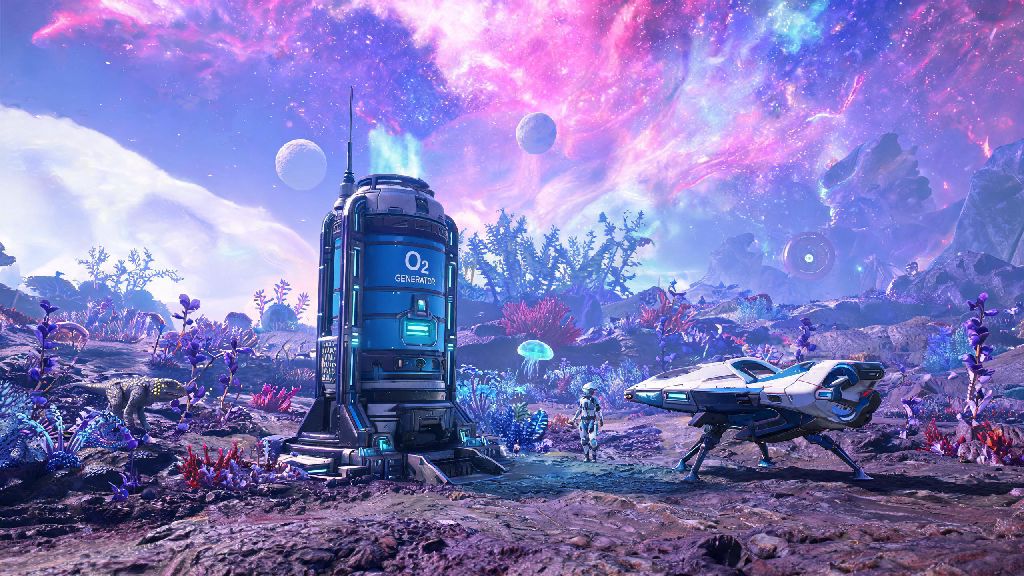
If you’ve ever wandered a barren No Man’s Sky planet with no clue where the nearest trading post, ancient ruin, or portal is, you know how frustrating it is to waste hours trekking across empty terrain for no reward. Even veteran players run out of this critical resource mid-expedition when they least expect it, forcing them to pause their journey to grind for more. If you’re wondering how to get navigation data in No Man’s Sky without wasting hours on low-effort, low-reward tasks, this guide breaks down every reliable method we’ve tested across 400+ hours of play. We’ve split tips for new players just getting their first starship and end-game players running full fleets of frigates, so you can pick the method that fits your playstyle.
Reliable Methods to Get Navigation Data in No Man’s Sky
There are dozens of ways to pick up navigation data as you explore, but some methods are far more consistent than others. We’ve tested every possible source across all game updates, and these three methods have the highest drop rates with the least effort required:
- Loot any distress beacons, planetary archives, and outpost terminals you find during surface exploration – these have a 70% drop rate for 1-3 navigation data per interaction, with no cost or combat required.
- Purchase stacks directly from space station cartographers in exchange for nanites, with 10 navigation data costing 15 nanites on average across all inhabited star systems.
- Complete settler resident requests for your planetary base, as 40% of tier 2 and tier 3 requests reward 5-10 navigation data alongside other useful resources like nanites or rare upgrade modules.
For most players, looting surface terminals is the easiest way to build up a small stock early on, no extra resources required. I once picked up 12 navigation data in 10 minutes just by hopping between small unmarked outposts on a frozen planet, no fighting or crafting needed at all. The only downside of surface looting is that you can’t target it specifically, so you might have to wander a bit to find enough terminals to fill your stock.
Best Early-Game Navigation Data Farms for New Players
If you’re still within your first 10 hours of play, you probably don’t have a stock of nanites to spend on cartographers, or a base with settlers to give you requests. Don’t worry, there are still super low-effort ways to get all the navigation data you need to get your exploration off the ground.
The first thing you should craft as soon as you get 10 ferrite dust is a signal booster. This cheap tool scans your current planet for all nearby points of interest, marking outposts, beacons, and ruins directly on your HUD. Every marked outpost will have a terminal you can interact with to get free navigation data, plus you’ll often find extra resources like ferrite or carbon while you travel between locations.
When you visit your first space station, make sure you talk to the cartographer near the entrance before you do anything else. Almost every system’s cartographer gives new players a free sample of 5 navigation data just for saying hi, no strings attached. One common mistake new players make is selling navigation data for quick units early on, but that’s never worth it – you’ll need that data to unlock portal locations later that save you hours of interstellar travel.
End-Game Methods to Stockpile Navigation Data Fast
Once you have a freighter, a fleet of frigates, and a fully operational settlement, you don’t have to waste time wandering planets to get navigation data anymore. There are passive methods that let you stockpile hundreds of units of the resource without ever leaving your freighter bridge.
The most low-effort method is sending your frigates on exploration-focused expeditions every time you log off. Tier 2 and tier 3 exploration expeditions almost always return with 20-50 navigation data per 4-hour run, plus extra resources like rare gases or upgrade modules for your ships. I run three exploration expeditions at all times, and I usually come back to 80+ new navigation data every time I log in after a break.
If you manage a settlement, make sure you attend the weekly town hall meetings. If you make choices that keep your residents happy, you’ll often get 20+ navigation data as a reward, alongside other bonuses like lower building costs for your base. You can also use a Nomad exocraft to zip across planets at high speed, scanning for ancient ruins and monoliths that give 3-5 navigation data per interaction if you prefer active exploration over passive grinding.
Common Mistakes to Avoid When Collecting Navigation Data
Even if you’re using the best farming methods, small mistakes can waste a lot of your time and hard-earned navigation data. We’ve made all of these mistakes ourselves over the years, so we’re pointing them out to help you skip the frustration.
First, don’t waste navigation data on minor waypoints like small resource deposits or common flora locations. Save your stock for portal locations, ancient ruins, and crashed freighters that give you far more value in return, like rare upgrades, huge stacks of units, or access to distant star systems. Second, don’t ignore cartographers on minor space stations in uncharted systems – they often sell navigation data for 20% less than cartographers in major inhabited systems, and they sometimes have rare bulk packs available too.
Most players also walk right past the terminals in the back of every trading post, but these terminals almost always have 2-3 free navigation data available just for interacting with them. If you’re playing in multiplayer, you can also trade navigation data with friends, so if one of you has a huge surplus, you can share to save everyone the grind of farming extra.
At the end of the day, figuring out how to get navigation data in No Man’s Sky doesn’t have to be a tedious grind that takes time away from the parts of the game you actually enjoy. Pick the method that fits your current progression and playstyle, whether you love wandering planets at random, managing your settlement, or sending your frigate fleet out on adventures. Once you have a steady supply of navigation data stocked up, you’ll be able to explore every weird, wonderful corner of the galaxy way faster, without getting stuck lost on an empty planet ever again. I still get excited when I find a random stack of navigation data in an abandoned outpost, because it means I can go hunt for a new portal to a weird exotic planet later that day.