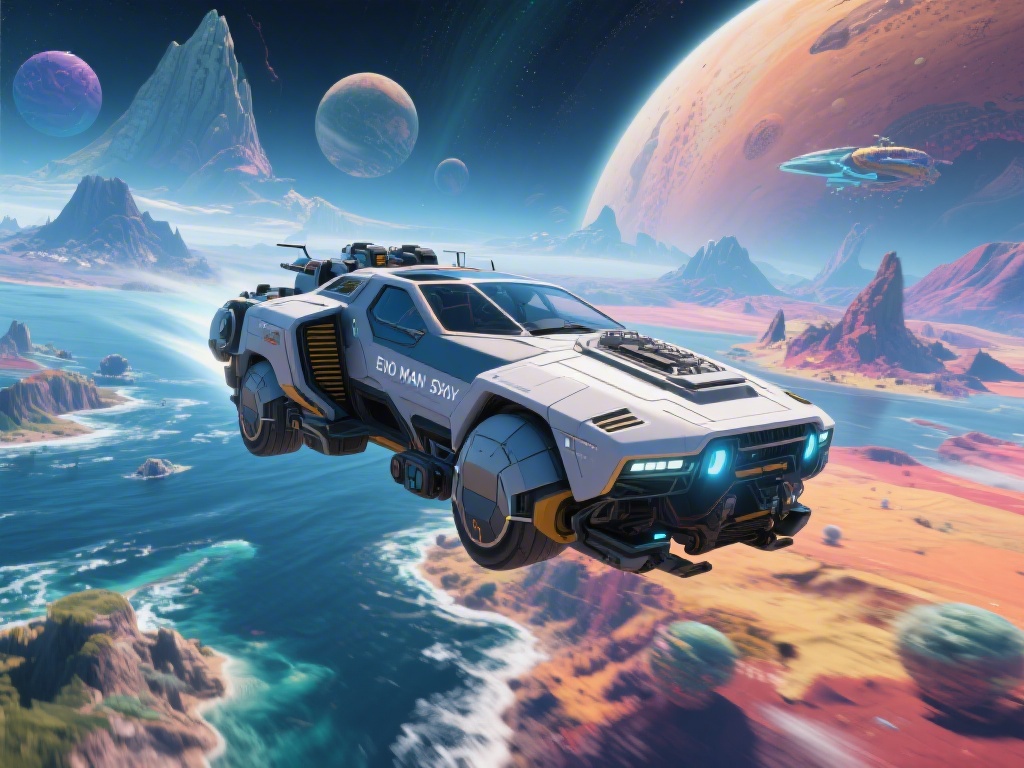
Like most new No Man’s Sky players, I spent my first two hours of gameplay running from aggressive sentinels, mining ferrite dust to fix my broken starship, and wondering exactly how many planets No Man’s Sky has to offer. It’s the kind of question that sticks with you as you warp between star systems, bump into weird alien creatures, and find uncharted worlds that no other player has ever touched before. This guide breaks down the math behind the game’s massive universe, explains how procedural generation works, and shares what you can actually expect to find during your playthrough, no matter how many hours you log.
How Many Planets No Man’s Sky Actually Contains
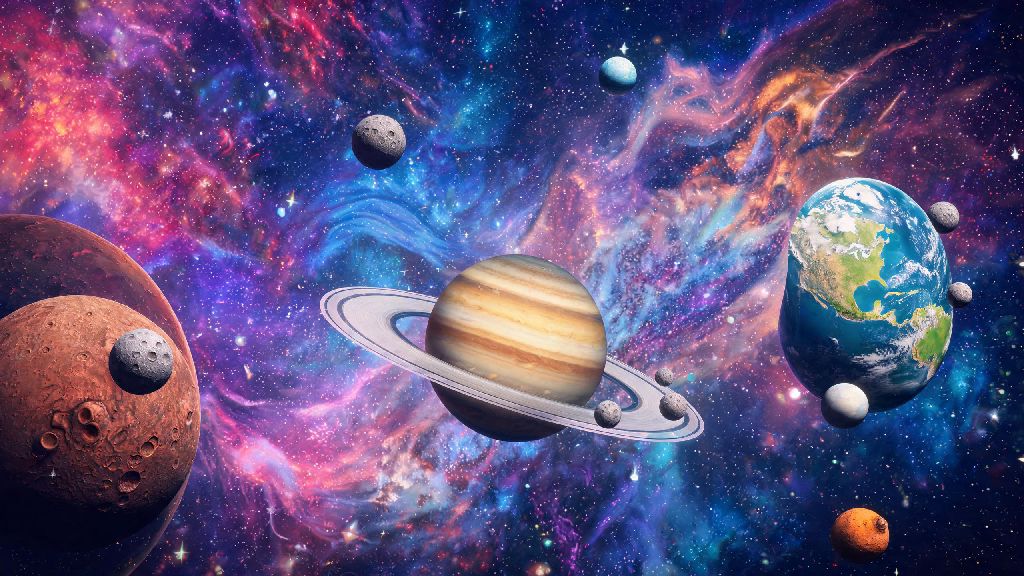
The official number from developer Hello Games is 18 quintillion unique planets, and that’s not a marketing exaggeration. The number comes from the game’s core procedural generation system, which uses 64-bit seed values to generate every star system, planet, moon, and even creature in the game. To put that number in perspective, if you visited one planet every single second without stopping, it would take you more than 585 billion years to see every world in the game. That’s longer than the current age of the real universe.
You don’t have to worry about running out of new places to explore, even if you play the game every day for years. I’ve logged more than 1,200 hours of playtime across three separate saves, and I’ve only visited around 700 unique planets total. Even then, I’ve never run into a planet that another player discovered by accident, unless I actively searched for a popular shared coordinate online.
It’s important to note that this number counts all possible planets the game can generate, not just ones that have already been discovered by players. As of 2024, less than 0.000000001% of the game’s total planets have been found and uploaded by the global player base. That means there’s still effectively infinite uncharted territory waiting for players to find.
How No Man’s Sky Generates So Many Unique Planets
The entire universe runs on a procedural generation algorithm that builds every asset on the fly as you travel, instead of storing pre-made planets in the game’s files. Each star system has a unique 64-bit seed number that the algorithm uses to calculate everything from the number of planets in the system, to the color of the grass on each world, to the behavior of the native creatures. This system is why the game only takes up around 15 GB of storage space, despite having a larger universe than any other game ever made.
Each major game update has tweaked this algorithm to add more variety to the planets you can find. The 2022 Worlds Part 1 update added new biomes, more diverse terrain, and rare exotic planet types that didn’t exist in the game’s original 2016 launch version. If you load up an old save, any planets you already visited will stay exactly as you remember them, but any new systems you travel to will use the updated algorithm to generate more varied worlds.
Every unique procedural seed generates consistent results, so two players who travel to the same star system coordinate will see the exact same planets, creatures, and resources. That’s why sharing coordinates for rare planets or S-class ship spawns is such a popular part of the No Man’s Sky community. You can send a friend a 12-digit coordinate string, and they can warp directly to the exact same weird bubble planet you found last week.
What Types of Planets You Can Find Across the Universe
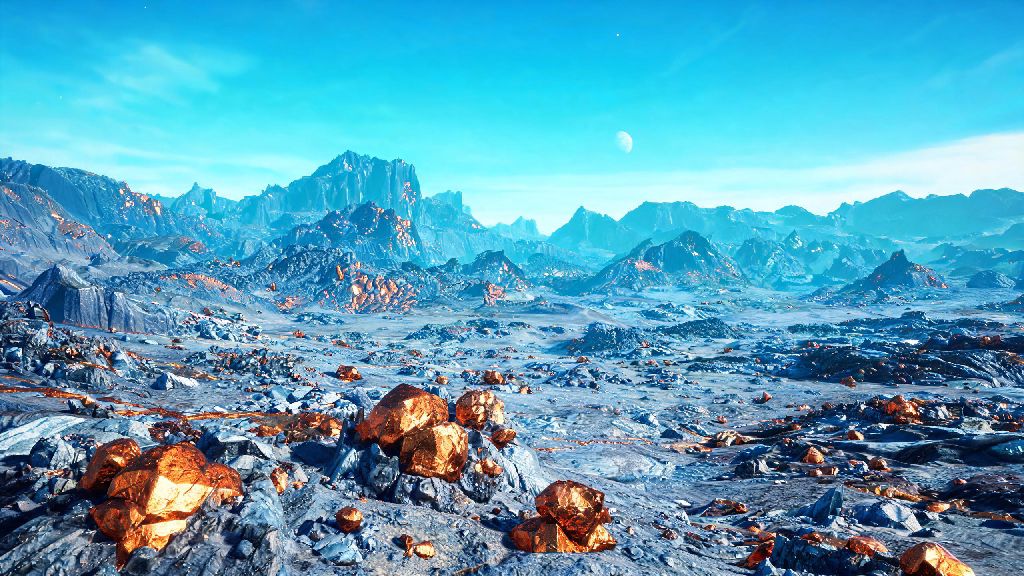
Not all 18 quintillion planets are just generic rocks with different colored grass. The current algorithm generates more than 30 distinct planet types, each with their own unique resources, hazards, and exploration benefits. Some of the most common and sought-after types include:
The type of star in a system can also tell you what kinds of planets you’ll find there. Yellow dwarf stars have the highest chance of spawning lush, habitable planets, while red and blue giant stars are more likely to have dead or extreme planets with rare resources. If you’re just starting out, stick to yellow star systems until you upgrade your hazard protection and starship warp drive.
I learned this tip the hard way during my first month of play. I warped to a red star system without checking the requirements first, and ended up stuck on a -200 degree ice planet with no way to repair my broken warp drive. I had to restart my entire save because I couldn’t find enough resources to fix my ship. Don’t make that same mistake.
Tips for Tracking and Documenting Planets You Visit
With so many planets to explore, it’s easy to lose track of that perfect lush world you found for your base, or that rare dead planet with the activated indium farm. The first thing you should do whenever you find a planet you like is upload your discoveries to the game’s server. You’ll get a small reward of nanites for every planet, creature, and flora you upload, and your name will be listed as the discoverer for every other player who visits that world in the future.
Use the game’s custom waypoint system to mark planets you want to come back to later. You can add custom tags to waypoints to note if a planet has a good base location, rare resources, or a rare creature spawn. You can also save up to 100 custom waypoints across the universe, so you won’t lose track of your favorite spots even if you warp hundreds of light years away.
If you’re hunting for a specific type of planet, use the star map filters to narrow down your search. You can filter systems by star type, number of planets, and even the presence of habitable worlds or rare resources. This will cut down on the amount of random warping you have to do, especially if you’re looking for something specific like an exotic planet or a system with no sentinel activity.
One thing a lot of new players don’t know is that your uploaded discoveries stay on the game’s servers even if you delete your save. I uploaded a weird mushroom-covered lush planet back in 2021, and just last month I got a notification from another player saying they found my planet and built a base next to mine. It’s a small touch that makes the huge universe feel a little more connected.
At the end of the day, you don’t have to commit to visiting every single world to get the most out of No Man’s Sky. Even if you only explore a few hundred planets across your entire playtime, you’ll still come across more unique views, weird creatures, and fun surprises than most other games can offer in a dozen playthroughs. Now that you know how many planets No Man’s Sky holds, grab your starship launch thrusters, stock up on oxygen, and go find your new favorite world out there.