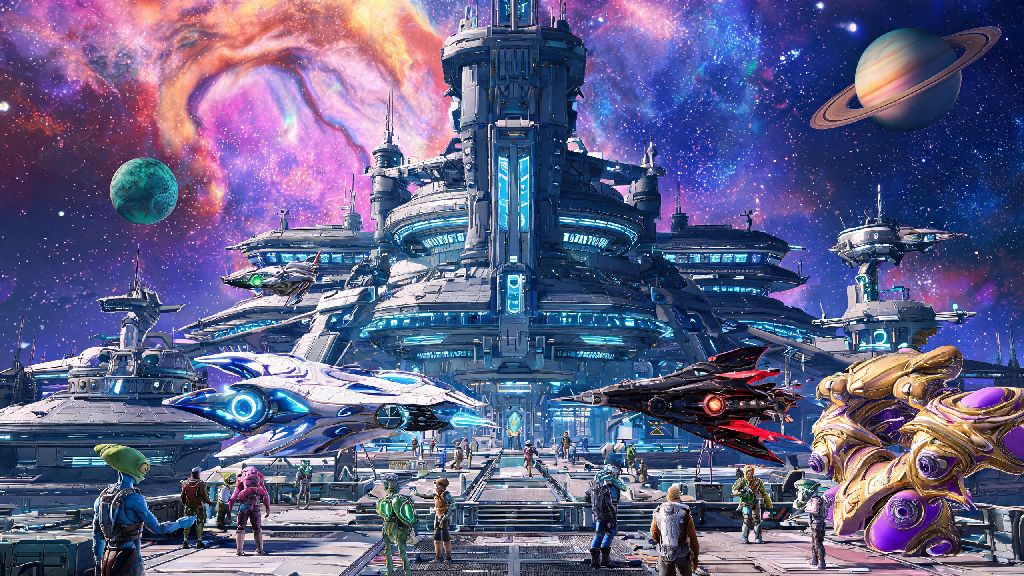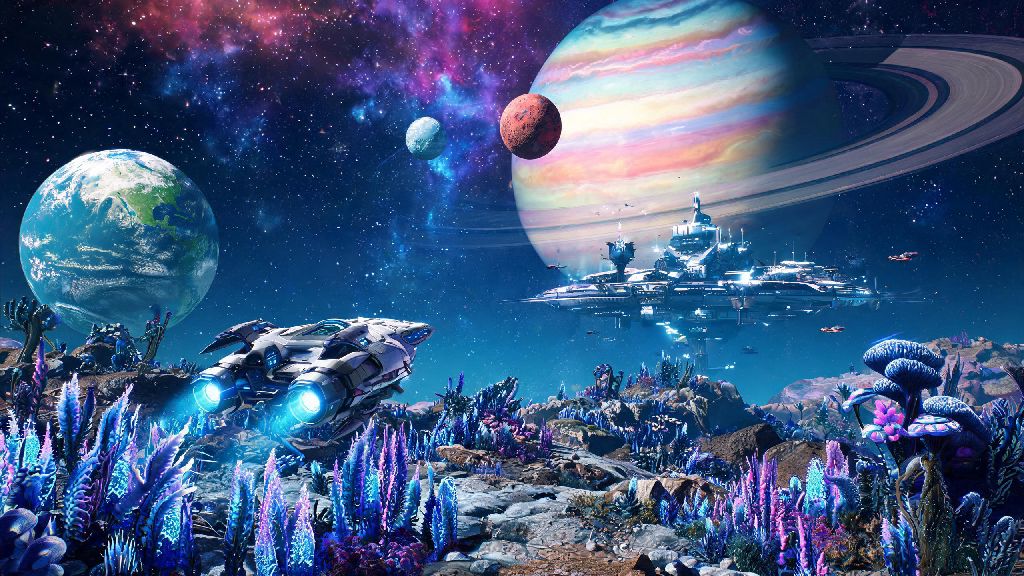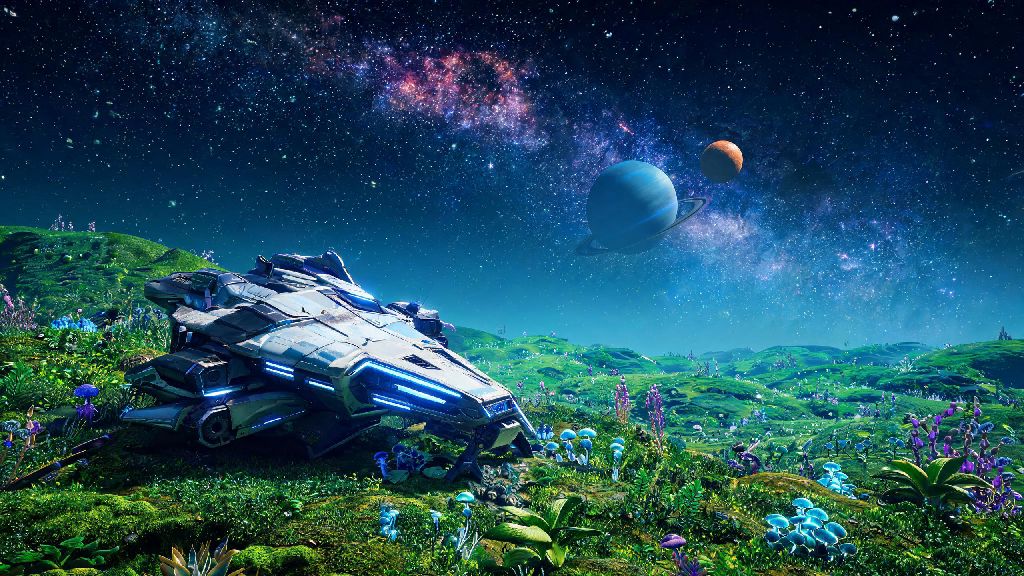
I still remember booting up No Man's Sky for the first time back at launch, staring at the mossy alien hills under my crashed ship and wondering just how far I could walk before hitting an invisible wall. If you're here asking is No Man's Sky open world, you're probably asking the same question I had all those years ago: are there any real limits to where I can wander? The short answer is yes, it's open world – but it's far more ambitious than almost any other open world game you've played before. This guide breaks down exactly how its open world design works, what you can expect to find, and how to make the most of its near-infinite space.
What Makes No Man's Sky Open World Design Stand Out From Other Games?
When people ask is No Man's Sky open world, they usually mean can they go anywhere they want without being stopped by arbitrary game limits, and for the most part, that's exactly what you get. Most open world titles have a fixed, hand-crafted map that's usually between 10 and 100 square miles in size. No Man's Sky, by contrast, has over 18 quintillion procedurally generated planets spread across its galaxy, all accessible to any player.
Every planet you visit has unique terrain, flora, fauna, and weather patterns that no other player may ever see. You can walk from one pole of a planet to the other without hitting a loading screen or an invisible wall, harvest resources from any spot you find, and build a base almost anywhere you like. Even outer space is part of the open world; you can fly freely between planets and moons in the same star system without loading, and dogfight with pirates or trade with alien ships mid-flight. The only time you'll hit a loading screen is when you warp between different star systems, which takes just a few seconds even on older consoles.
It's also worth noting that the open world is fully persistent. If you build a base on a remote ice planet and leave for 100 hours of gameplay, that base will still be there exactly as you left it when you return. You can even name planets and creatures you discover, and those names will show up for any other player that visits the same location later.
Key Limitations to No Man's Sky's Open World Scope
For all its scale, No Man's Sky's open world isn't completely without limits, and it's important to go in with realistic expectations. The biggest restriction you'll face early on is access to new areas. You can't warp to new star systems right away, and you'll die within minutes of stepping onto extreme weather or radiation planets if you don't have the right suit upgrades.
You won't be able to explore every part of the universe right off the bat – you'll need to progress through early game upgrades first to unlock full access. This can feel frustrating for players who want to jump straight into deep exploration, but the upgrade loop is quick enough that you'll be able to visit most planet types within the first 10 hours of play.
Another common complaint is that the procedural generation can feel repetitive after hundreds of hours of play. While every planet is technically unique, there are only so many biome types, creature designs, and point of interest variations, so you'll start to see patterns eventually. If you're looking for a dense, hand-crafted open world full of unique scripted events around every corner, this might not be the right game for you. It's designed for slow, meandering exploration, not fast-paced, curated story beats everywhere you go.
Top Ways to Make the Most of No Man's Sky's Open World
After logging 400+ hours in the game, I've picked up a lot of tricks to make exploring its open world feel more rewarding and less overwhelming. These tips work for new players and returning players alike, and they'll help you avoid the common mistakes that make a lot of people burn out on the game early.
I also recommend keeping a small note of your favorite systems and planets as you explore. It's easy to lose track of a perfect grassy planet with rare gold deposits or a peaceful moon with great building spots when you're jumping between 10 different stars a week. Don't feel pressured to follow the main story if you just want to wander – the open world is designed to let you play at your own pace, no quests required. I spent my first 30 hours just hopping between planets and collecting weird alien creatures, and that's still my favorite way to play.
How No Man's Sky's Open World Has Evolved Since Launch
A lot of people who only played No Man's Sky at launch don't realize how much its open world has expanded over the years. The original 2016 launch version had very limited base building, no multiplayer support, and almost no points of interest to find on planets besides basic alien monoliths. A lot of players felt the open world felt empty and pointless, and for good reason back then.
That's not the case anymore. Hello Games has released 20+ major free updates since launch, all of which have added more depth and content to the open world universe. You can now build and run entire alien settlements, breed and ride custom alien creatures, run interstellar trade routes, and take part in limited-time community expeditions that give you unique rewards for exploring specific parts of the galaxy. Recent updates have also added more hand-crafted story content you can stumble across while exploring, so you get a nice mix of random procedural surprises and curated, memorable moments.
PC players also have access to thousands of mods that let you customize the open world even further. You can add new biome types, increase the number of creatures that spawn on each planet, or even overhaul the entire generation system to make planets feel more varied and unique. All mods are completely optional, so you can stick to the vanilla experience if you prefer.
At the end of the day, if you're still asking is No Man's Sky open world, the answer is a resounding yes – and it's one of the most generous, expansive open worlds ever made for gamers who love to wander. You don't have to be a completionist or a hardcore sci-fi fan to enjoy it; even casual players can spend dozens of hours hopping between planets, building small bases, and discovering weird new alien creatures without ever touching the main story. If you haven't picked it up in a few years, now is the perfect time to jump back in and see all the new content added to its open world.