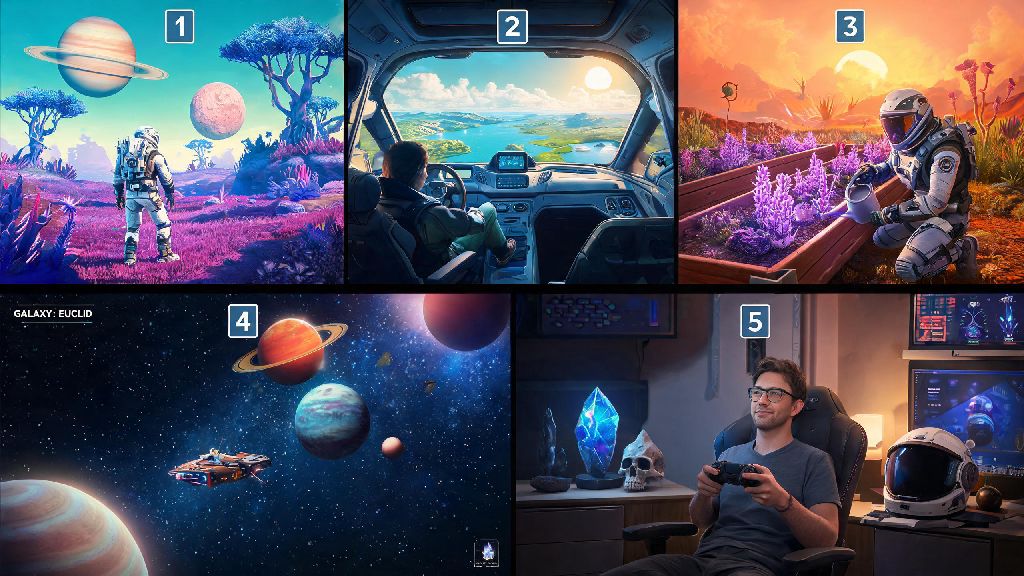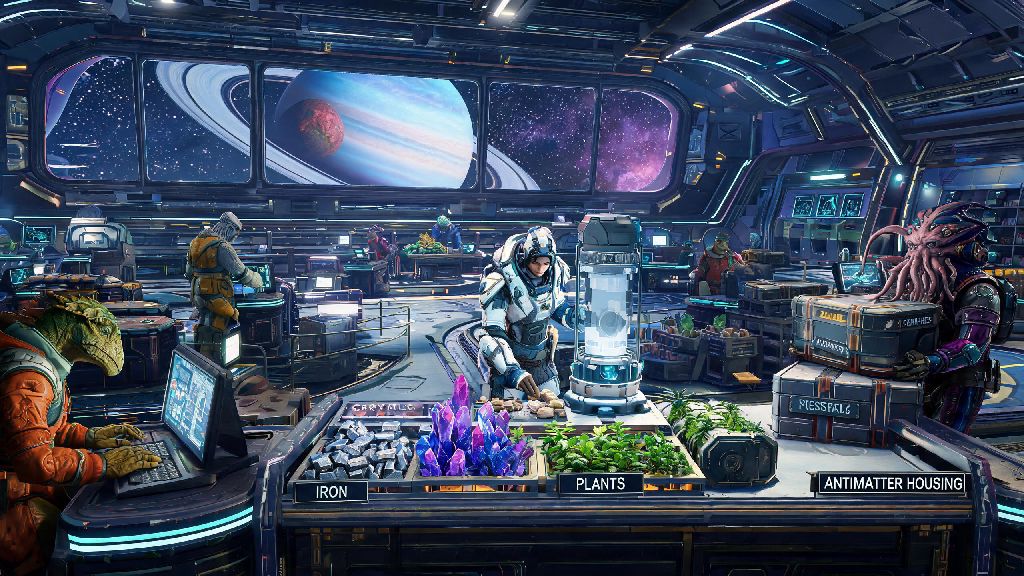
If you’ve spent any time scrolling gaming forums or debating titles with friends, you’ve probably come across the question: is No Man's Sky indie? The space exploration sandbox has grown so massive over its release cycle that many players don’t realize how small the team behind it really was at launch, and the debate over its indie status has raged for years among long-time fans and new players alike. We’re breaking down exactly what counts as an indie game, how Hello Games fits that definition, and edge cases that make the conversation more nuanced than a simple yes or no answer.
Is No Man's Sky Indie? Breaking Down the Core Definition of Indie Games
Before we can answer the core question, we need to clear up common misconceptions about what makes a game “indie” in the first place. Many players assume indie games are only made by teams of 2-5 people, with tiny budgets and no mainstream marketing support, but that’s not an accurate definition. The core marker of an indie game is full creative and financial control held by the development studio, with no major third-party publisher owning a stake in the studio or dictating development decisions.
AAA games, by contrast, are owned and funded by large publishing companies that set release deadlines, enforce monetization requirements, and often override creative choices to hit sales targets. A lot of players mix up game scale with indie status, but there are dozens of massive, mainstream hit games that still count as indie because their development teams retain full control of their intellectual property and roadmap. That context is critical when evaluating No Man's Sky’s classification, because its massive scale and mainstream success don’t automatically disqualify it from being an indie title.
Hello Games’ Origins and No Man's Sky’s Initial Development
Hello Games, the studio behind No Man's Sky, was founded in 2008 by four former EA developers who wanted to build games without the rigid corporate structure of large AAA studios. Their first release, Joe Danger, was a small stunt racing game made by a team of just five people, and it became a surprise indie hit on PlayStation 3 and Xbox 360. That success gave the team enough funding to start work on No Man's Sky, which was developed by a team of fewer than 15 people for the first four years of its production.
Many players mix up indie status with the scale of a game’s post-launch success, rather than its development origins. For context, plenty of small studio projects blow up far beyond their initial expectations, even outside traditional gaming circles — casual players who dip into low-stakes online games between No Man's Sky play sessions are probably familiar with Spin777, a popular casual game that was built by a 3-person independent studio before gaining a massive global player base. That same trajectory applies to No Man's Sky: its success didn't strip it of its indie roots, it just meant the team could expand to add more content over time.
It’s also important to note that while Sony provided pre-launch marketing support for No Man's Sky’s initial PlayStation 4 release, the partnership never included creative control or ownership of the intellectual property. Hello Games retained 100% of the rights to No Man's Sky, and all decisions about post-launch updates, monetization, and future content were made exclusively by the studio’s internal team, with no input from Sony or any other third party.
Arguments That Complicate No Man's Sky’s Indie Classification
While the vast majority of industry experts classify No Man's Sky as an indie game, there are valid counterarguments that come up in community debates that are worth addressing. These points mostly stem from the game’s unprecedented scale and mainstream success, which is unusual for most indie titles, but they don’t override the core markers of indie status we outlined earlier. The most common counterpoints include:
All of these points are understandable points of confusion for casual fans, but none of them meet the threshold to reclassify No Man's Sky as a AAA title. The only thing that would strip the game of its indie status would be if Hello Games was acquired by a major publisher, or signed away a majority stake in the intellectual property to a third party, which has not happened to date.
Why No Man's Sky’s Indie Status Matters For Players
You might be wondering why this classification even matters, especially if you just enjoy playing the game without caring about industry labels. But No Man's Sky’s indie status has a direct impact on the player experience, and it’s the reason the game has evolved in such a player-first way over the last 8 years. Independent creative control is the exact reason the team was able to stick to their post-launch promise to fix and expand the game, even when initial launch reviews were mixed and many critics wrote the game off entirely.
If No Man's Sky was a AAA title owned by a major publisher, it’s almost certain that the studio would have been forced to abandon post-launch support within a year of release, or lock all new content behind paid expansion packs and battle passes to hit quarterly sales targets. Instead, Hello Games has released 22 completely free major updates since launch, adding everything from base building and multiplayer to space fleet management and entire new biomes, with no plans to add paid content any time soon.
Direct communication with the community is another major perk of the studio’s indie structure. The team regularly posts on Reddit, Discord, and social media to ask for fan input on upcoming updates, and they often implement highly requested features that have no real monetization value, just because fans want them. You’d almost never see that level of transparency and community focus from a large AAA studio that answers to shareholders instead of players. No pressure to hit arbitrary release deadlines also means the team can take as long as they need to polish new content, instead of rushing half-finished updates out to meet publisher timelines.
At the end of the day, the answer to is No Man's Sky indie is a resounding yes, even with its massive scale and widespread mainstream success. Its roots as a small-studio passion project, full creative control for its development team, and lack of major publisher ownership all check every box for what defines an independent game. Whether you’re a new player just starting your first interstellar journey or a long-time fan who’s been around since launch, its indie status is a big part of what makes the game so unique, and why it has one of the most loyal fan bases in all of gaming.