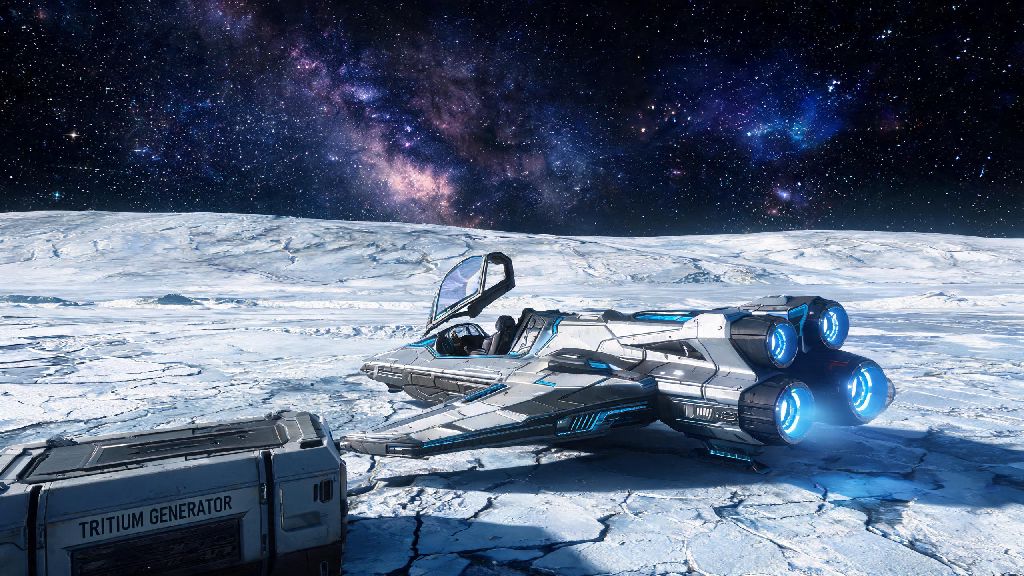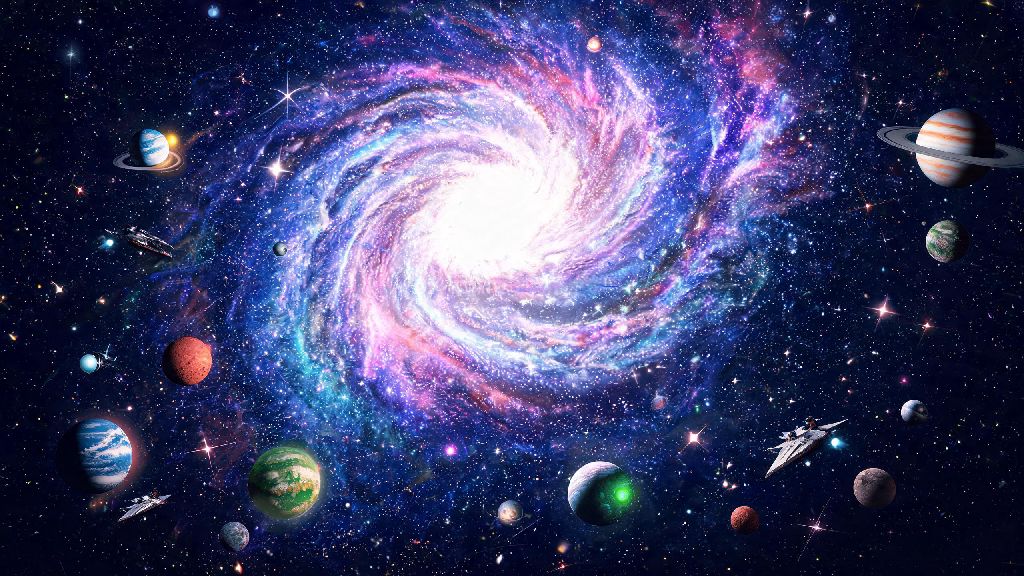
I still remember my first hour with No Man’s Sky, fumbling through the opening tutorial on a toxic ice planet, finally fixing my starship, and pulling up the galactic map for the first time. I stared at the swirling sea of stars for 10 minutes straight, wondering just how far I could go, and how many unique stops I could make along the way. If you’ve ever had that same thought, and asked how many solar systems are in No Man’s Sky, you’re far from the only player curious about the game’s massive scale. This guide breaks down the official numbers, how the game generates every unique system, tips for tracking your discoveries, and common myths you can ignore.
How Many Solar Systems Are in No Man’s Sky, Exactly?
When Hello Games first marketed the game, they threw around a big number that sounded almost made up: 18 quintillion. That’s not a typo, and it’s not an exaggeration. The official count of unique solar systems in No Man’s Sky sits at over 18 quintillion, or 18,446,744,073,709,551,616 to be exact. That number comes from the game’s 64-bit procedural generation seed, which uses every possible combination of the 64-bit value to create a unique, fixed solar system for each coordinate point in the galaxy. It’s not an infinite number, but it’s functionally infinite for human players. For context, if you visited one new system every single second without stopping, it would take you roughly 585 billion years to see every single one. That’s longer than the current age of the universe, which is only 13.8 billion years old. You could play the game every single day for your entire life, and you’d never even scratch the surface of the total pool of systems.
How No Man’s Sky Procedurally Generates Every Solar System
A lot of players assume the game randomly spits out new systems on the fly when you jump, but that’s not how it works. Every solar system is tied to a fixed set of coordinates, and every player who visits those coordinates will see the exact same system, right down to the number of planets, resource spawns, and even the shape of the mountain ranges on each world. No two players will ever stumble across the same system by random chance, though, given the sheer size of the pool. You could have 10 million players all jumping to random systems every day for 10 years, and they’d still only see a tiny fraction of 1% of the total systems available. Each system’s makeup is determined by a handful of fixed factors:
You can use these factors to pick what kind of system you want to visit next, too. For example, red star systems are more likely to have dead, resource-rich planets for mining, while blue systems often have extreme weather worlds with rare crafting materials. Green star systems are the rarest non-exotic type, and they’re the only place you can find lush, sentinel-free paradisiacal planets in most regions, making them a top pick for players looking to build permanent bases.
How to Track Your Own Solar System Discovery Progress
If you’re the type of player who likes to keep track of everywhere you’ve been, the game has built-in tools to help you log your solar system discoveries, and even earn rewards for finding new ones. You can earn extra nanites for uploading undiscovered solar systems and their planets to the galactic network, and you’ll get a permanent tag next to the system name showing you were the first to find it. To track your progress, open your discovery menu any time, and you’ll see a count of how many systems you’ve visited, how many you were the first to discover, and how many planets and fauna you’ve scanned across all your travels. If you’re trying to 100% explore a single region, mark every system you visit with a custom color-coded waypoint so you don’t waste time jumping back to places you’ve already scanned. If you play with friends, your discoveries sync across your entire group, so you can split up to cover more ground faster and share coordinates of interesting systems you find. One thing to note: even if you delete your save file or switch platforms, your uploaded discoveries stay tied to your Hello Games account, so you won’t lose credit for all the systems you’ve found over the years.
Common Myths About No Man’s Sky Solar Systems Debunked
With a game as big as No Man’s Sky, it’s no surprise that a lot of false rumors have spread about its solar system count and generation over the years. Let’s clear up the most common ones. First, a lot of players think the total number of solar systems was increased after launch, when Hello Games rolled out big updates like Next, Frontiers, or Worlds Part 1. That’s not true. All post-launch updates have only added more content to existing solar systems, not increased the total count. The 18 quintillion number has been fixed since the game first launched, and updates just add more features like settlements, derelict freighters, or new creature types to the systems that already exist. Second, some players claim you can run out of new systems to explore if you play long enough. That’s functionally impossible, as we covered earlier. Even the most dedicated players who have logged thousands of hours have only visited a few thousand systems at most. Third, many modders say you can add more solar systems to the game with custom mods. That’s also not true. Mods can change the parameters of existing systems, make planets look different, or adjust resource spawns, but they can’t add more systems beyond the original 18 quintillion limit, since that’s tied to the game’s core 64-bit seed architecture. Finally, some players think once a system is discovered by someone, it’s removed from the pool of unvisited systems for other players. That’s not the case either – the system just gets marked as discovered, and anyone else can still visit it if they have the coordinates, or stumble across it randomly if they’re extremely lucky.
At the end of the day, asking how many solar systems are in No Man’s Sky is less about the massive raw number, and more about the sense of wonder that comes with knowing you can load up the game any day, jump a few hundred light years in a random direction, and find a place no other human has ever seen before. I’ve been playing on and off for almost 8 years now, and I still stumble across new, weird systems every few weeks – last month I found a system with 5 ocean planets, no hostile sentinels, and a friendly Vy’keen settlement that I now use as my main base hub. Whether you’re a completionist trying to scan every system in your home region, a casual player just hopping from one interesting world to the next, or a roleplayer building a trading empire across multiple systems, the near-endless pool of solar systems means you’ll never run out of new adventures to go on. Next time you’re stuck deciding where to jump next, pick a random star on the edge of your map – you never know what you might find.